

Introduction
Thatch roofing has been a beloved architectural element for centuries, renowned for its unique charm and practical benefits. This traditional roofing method is making a comeback, especially in the hospitality industry, where resorts and hotels are using thatch to create a distinctive and welcoming ambiance. This blog explores the benefits of thatch, its materials, regional usage, and historical roots, aiming to attract B2B clients in the hospitality sector.
Understanding Thatch Roofing
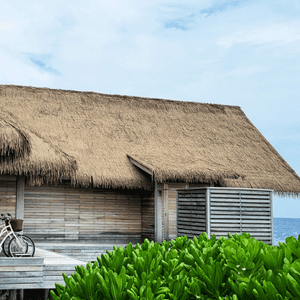
Thatch roofing involves the use of dry vegetation such as straw, reed, rushes, or palm leaves, which are tightly bundled and layered to form a waterproof roof. This technique has been used for centuries and continues to be valued for its natural beauty and effectiveness.
Advantages of Thatch Roofing
- Unique Aesthetic: Thatch roofing gives buildings a distinctive, rustic appearance that enhances the overall appeal of resorts and hotels.
- Excellent Insulation: Thatch provides natural insulation, keeping buildings cool in summer and warm in winter, thereby reducing energy costs.
- Eco-Friendly: Thatch is a sustainable and renewable resource, making it an environmentally responsible choice.
- Long-Lasting: With proper care, thatch roofs can be incredibly durable, often lasting several decades.
- Cultural Heritage: Thatch roofing can highlight the cultural heritage of a region, adding an authentic touch to properties.
Materials Used in Thatch Roofing
- Straw: Common in European countries, especially the UK, straw is often made from wheat or rye.
- Reed: Water reed, known for its durability, is widely used in coastal areas.
- Palm Leaves: In tropical regions, palm leaves are a flexible and traditional material for thatching.
- Rushes: Freshwater rushes are used in some areas for their resilience and water resistance.
Regional Usage of Thatch
- Europe: Thatch is widely used in the UK, Ireland, and parts of mainland Europe, where it adorns cottages, heritage buildings, and rural homes.
- Africa: Countries like Kenya and South Africa utilize thatch for its cooling properties and traditional look.
- Asia: In Southeast Asian countries like Thailand, Indonesia, and the Philippines, palm thatch is popular for its availability and suitability for tropical climates.
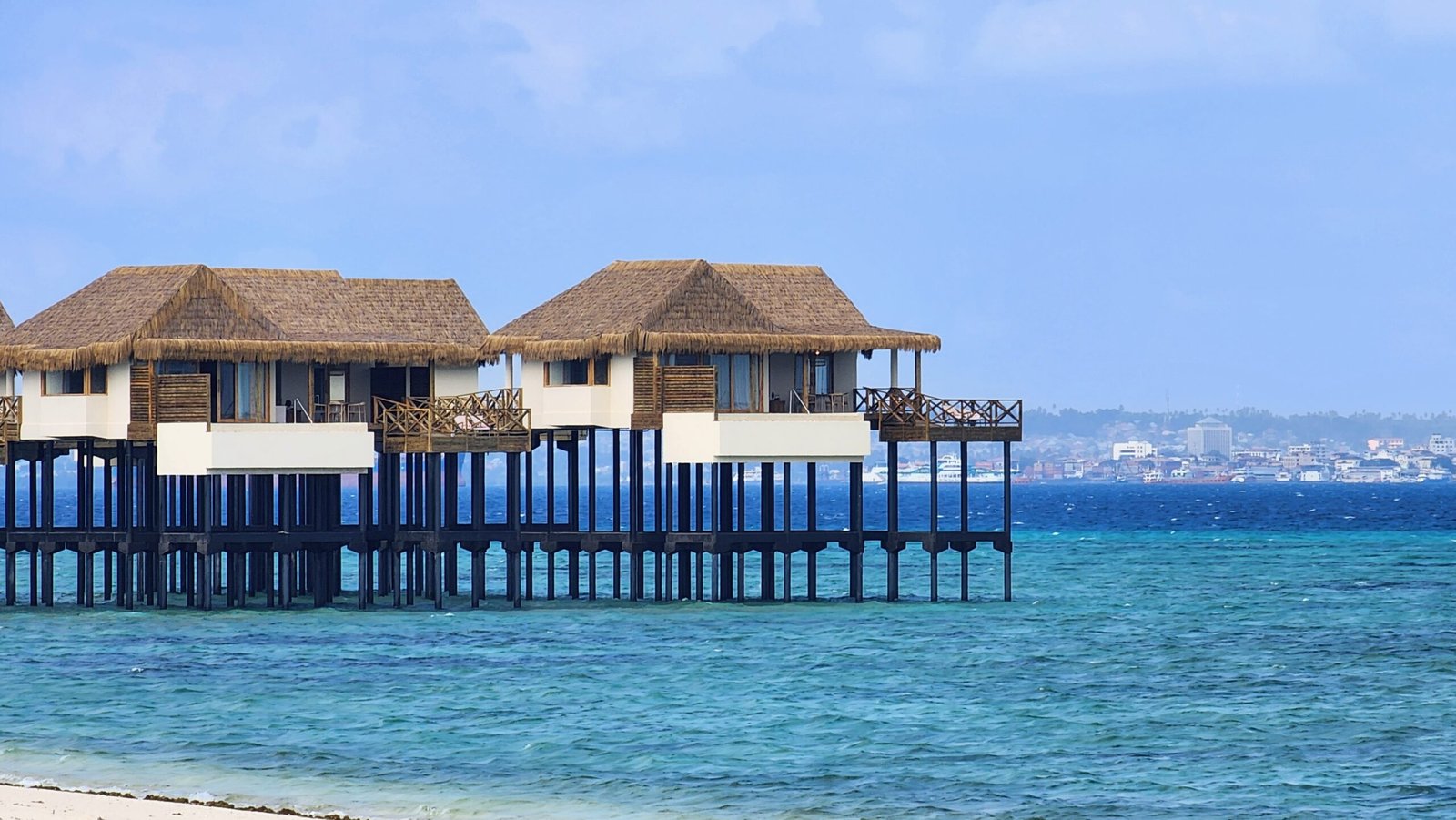
- Caribbean: Thatch is a common sight in Caribbean islands, used in resorts and beachfront properties to create an idyllic, tropical feel.
Thatch in the Hospitality Industry
- Resorts: Thatch is often used for bungalows, beach huts, and cabanas, blending seamlessly with the natural surroundings.
- Hotels: Many hotels incorporate thatch in outdoor dining areas, poolside bars, and garden pavilions to create a cozy, exotic atmosphere.
- Eco-Lodges: Thatch is a favored choice for eco-lodges, providing a sustainable and authentic lodging experience for guests.
Historical Background of Thatch
Thatch roofing has a rich history dating back to ancient times. In medieval Europe, it was the predominant roofing material for buildings. Its use persisted through the centuries, with many traditional thatched structures now preserved as cultural heritage sites. The craftsmanship involved in thatching has been passed down through generations, maintaining its historical and cultural significance.
Installation and Maintenance
- Professional Installation: Skilled thatchers are essential for the proper installation of thatch roofs to ensure their durability and weather resistance.
- Routine Maintenance: Regular maintenance includes removing debris, applying fire retardants, and repairing any damages to extend the roof’s lifespan.
- Longevity: Thatch roofs, when well-maintained, can last between 20 to 40 years, depending on the materials used and environmental factors.
Conclusion
Thatch roofing is a timeless choice that offers both aesthetic and practical benefits for the hospitality industry. Its unique look, excellent insulation properties, sustainability, and cultural significance make it a valuable addition to any resort or hotel. By opting for thatch, properties can provide a memorable and authentic experience for their guests, while also benefiting from a durable and eco-friendly roofing solution.