

Introduction
Thatch roofing has been used for centuries and remains a popular choice for resorts and hotels seeking to create a unique, rustic charm. This traditional roofing material not only offers aesthetic appeal but also provides practical benefits such as insulation and sustainability. In this blog, we’ll explore the timeless appeal of thatch, focusing on its usage, materials, regional popularity, and historical significance. This comprehensive guide is designed to attract B2B traffic, particularly from those in the hospitality industry.
What Is Thatch?
Thatch is a roofing material made from dry vegetation such as straw, reed, rushes, or palm leaves. These materials are tightly bundled and layered to create a weather-resistant roof. Thatch roofing is known for its natural insulation properties and its ability to blend seamlessly with natural surroundings.
Key Benefits of Thatch Roofing
- Aesthetic Appeal: Thatch provides a unique, rustic look that enhances the charm of resorts and hotels, creating a natural, welcoming atmosphere.
- Insulation: Thatch roofs offer excellent insulation, keeping interiors cool in hot weather and warm during colder months.
- Sustainability: Made from natural, renewable materials, thatch is an eco-friendly roofing option.
- Durability: When properly maintained, thatch roofs can last for decades, providing long-term value.
- Cultural Significance: Thatch roofing often reflects the cultural heritage of a region, adding authenticity to the property.
Materials Used in Thatch Roofing
- Straw: Commonly used in Europe, particularly in the UK, straw thatch is made from wheat or rye.
- Reed: Water reed, harvested from wetlands, is durable and widely used in coastal regions.
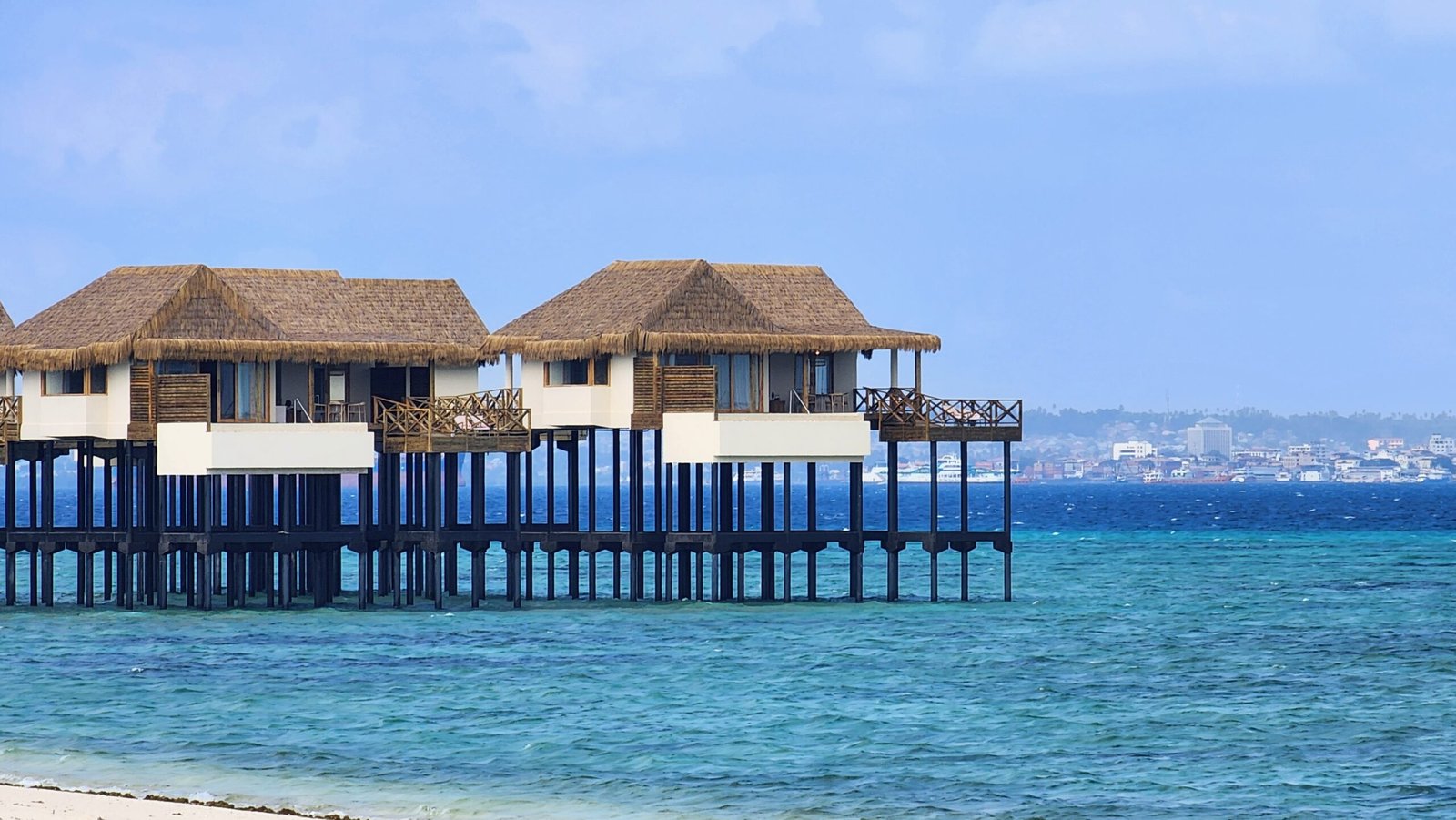
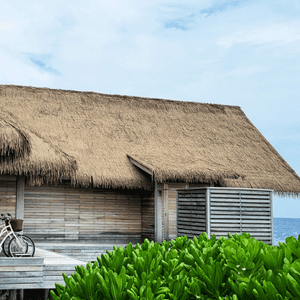
- Palm Leaves: Popular in tropical regions, palm leaves offer flexibility and are often used in island resorts.
- Rushes: Freshwater rushes are used in some regions for their flexibility and water resistance.
Regional Popularity of Thatch
- Europe: Thatch roofing is particularly prevalent in the UK, Ireland, and parts of mainland Europe. It is often seen on cottages, historic buildings, and rural properties.
- Africa: In countries like Kenya and South Africa, thatch is used for its cooling properties and traditional appearance.
- Asia: Thailand, Indonesia, and the Philippines use palm thatch in resorts and beachfront properties.
- Caribbean: Islands like Jamaica and the Bahamas use palm thatch to create picturesque, tropical resort aesthetics.
Thatch in Resorts and Hotels
- Resorts: Thatch is a popular choice for resort bungalows, beach huts, and cabanas, providing a natural look that blends with the environment.
- Hotels: High-end hotels use thatch for outdoor dining areas, poolside bars, and garden pavilions to create an exotic, relaxing ambiance.
- Eco-Lodges: Sustainable eco-lodges use thatch to minimize environmental impact and offer guests an authentic, nature-immersed experience.
Historical Significance of Thatch
Thatch roofing dates back to prehistoric times and has been used in various cultures around the world. In medieval Europe, thatch was the primary roofing material for most buildings. Its use continued through the centuries, with many traditional thatched buildings preserved as heritage sites today. The technique of thatching has been passed down through generations, maintaining its cultural and historical importance.
Installation and Maintenance of Thatch Roofing
- Professional Installation: Proper installation by skilled thatchers is crucial for the longevity and effectiveness of a thatch roof.
- Regular Maintenance: Thatch roofs require periodic maintenance to remove debris, apply fire retardants, and repair any damage.
- Longevity: With proper care, thatch roofs can last 20-40 years or more, depending on the materials used and environmental conditions.
Conclusion
Thatch roofing offers a blend of aesthetic appeal, cultural significance, and practical benefits, making it an ideal choice for resorts and hotels looking to stand out. Its natural insulation properties, sustainability, and unique look provide a competitive edge in the hospitality industry. By choosing thatch, properties can create a memorable experience for guests while embracing a time-honored roofing tradition.