

Travelers pay a lot of money for overwater villas and private beach dining. They want open views and a tropical feel. The weather in the Maldives changes quickly. One minute it is sunny. The minute there is a big storm, with strong winds.
When bad weather hits, resorts often lose their outdoor dining and lounge spaces. This ruins the guest experience. To solve this issue, smart resort designers combine two key tools: synthetic thatch roofs and weather blinds. Together, they create luxury spaces guests can enjoy all year long.
The Power of Modern Synthetic Thatch
The natural coconut palm thatch look is really well known on the islands. People love the way it looks. The problem is that natural grass does not last very long in humid and salty air. It gets all rotten. Falls apart quickly. You have to replace it every years.
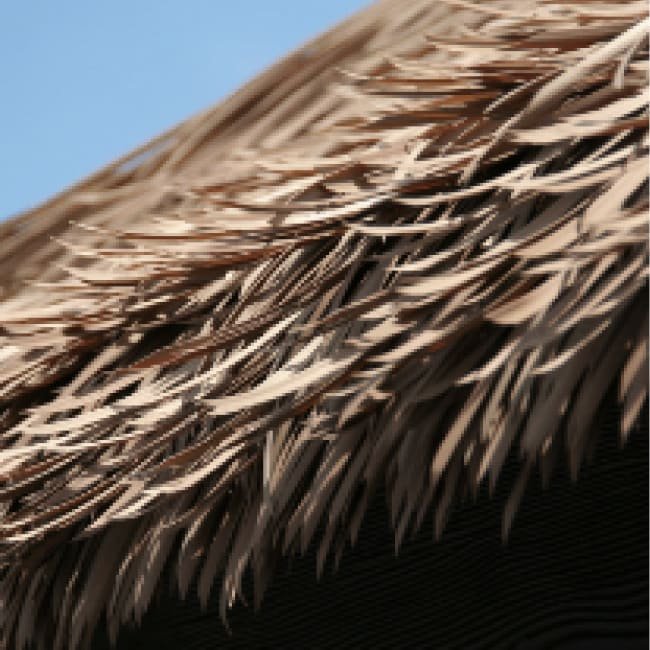
Synthetic thatch is an alternative because it looks just like the real thing. It is also very strong. Lasts for a very long time. Decades even. The synthetic thatch is made with polymers that do not get wet or attract insects. It can handle the sun without losing its color. The best part is that it keeps the classic island look and provides a roof that does not leak. This is especially important for guest areas.
Adding Weather Blinds for Complete Control
A great roof protects guests from above. But strong wind and sideways rain can still ruin an outdoor space. This is where heavy weather blinds help.
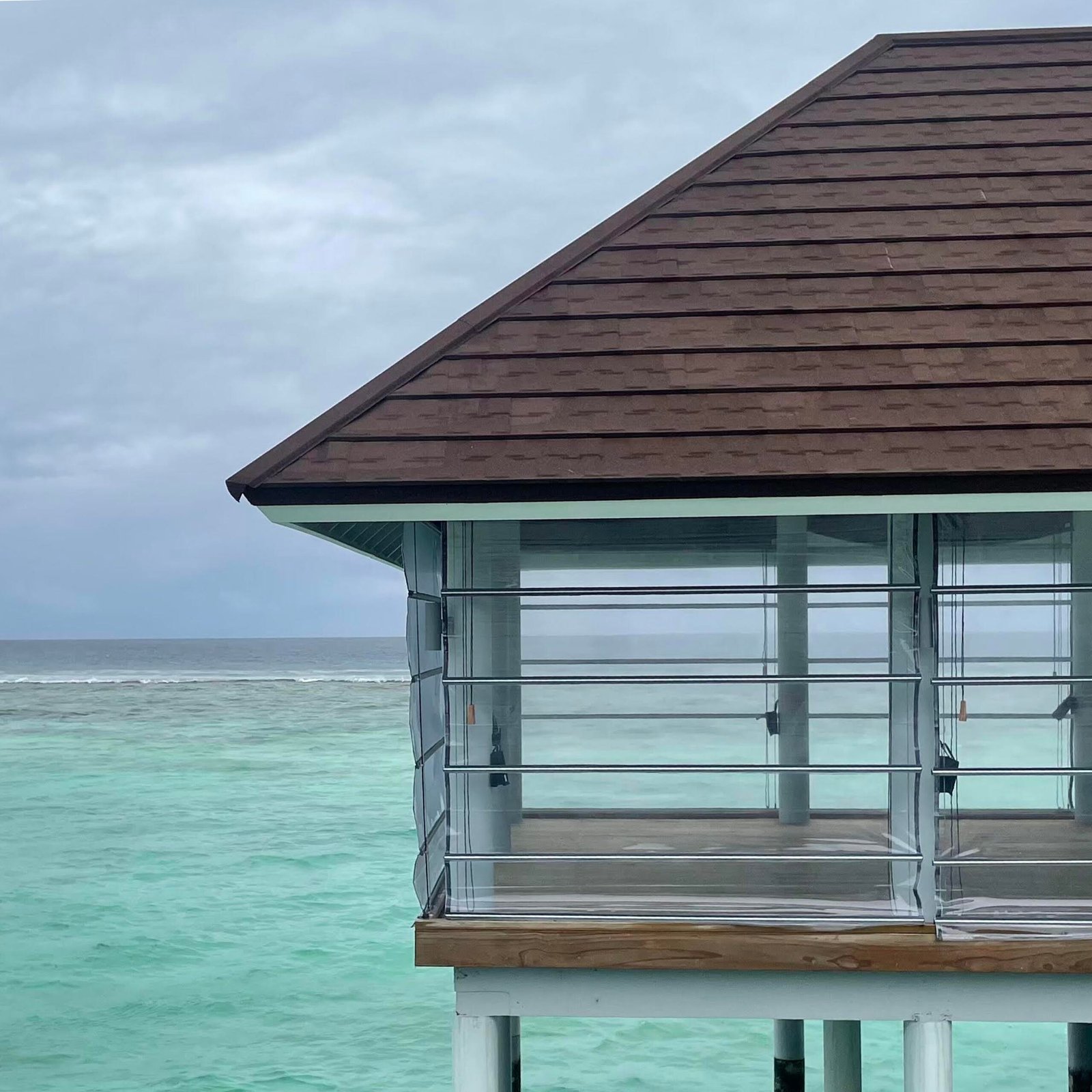
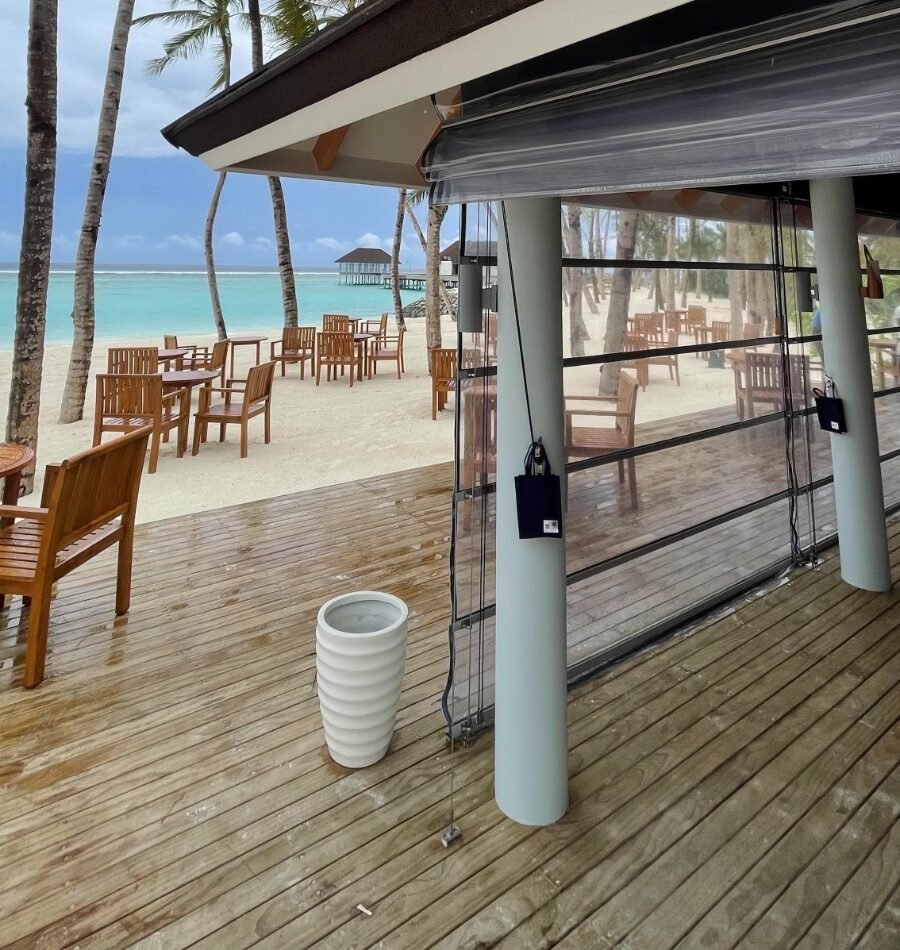
Modern blinds are made with vinyl or mesh fabrics. When the weather is nice the staff can roll them up. They are, out of the way. This lets the guests enjoy the ocean views. When a storm is coming the workers can lower the blinds very quickly.
The blinds are really good. They keep out the rain and strong wind.. They still let in natural light. This means guests can sit near the ocean. They can watch the storm. They do not get wet. They can stay completely dry and comfortable.
Why This Combination Works
By pairing synthetic thatch roofs with outdoor blinds, resorts gain complete control over the elements.
- No Lost Revenue: Beach bars and restaurants stay open during sudden downpours.
- Reduced Cooling Bills: The insulated synthetic roof blocks heat from above. The blinds block hot winds, reducing the load on cooling systems.
- Low Upkeep: Both materials are built for harsh coastal areas. They resist saltwater damage and need very little cleaning.
The Verdict
True luxury means peace of mind. By combining synthetic thatch and weather blinds, Maldives resorts protect their properties. They ensure guests enjoy paradise every single day of the year, rain or shine.
Frequently Asked Questions
1. Can synthetic thatch handle the strong winds in the Maldives?
Yes. Synthetic thatch panels are tested to withstand hurricane-force winds. They stay locked down tightly to the roof frame and will not blow away like loose natural straw.
2. Do clear weather blinds scratch or turn yellow in the sun?
High-grade outdoor blinds use special materials that resist sun damage. They stay clear and withstand intense coastal sunlight without turning yellow over time.
3. How do these materials handle saltwater damage?
Synthetic thatch does not react to salt. Premium weather blinds use marine-grade parts, like stainless steel cables, to prevent rust from saltwater spray.
4. Is the combination easy for resort staff to manage?
Yes. Weather blinds can use simple motors or smooth manual cranks. Staff can lower or raise an entire restaurant’s blinds in just a few minutes when a storm approaches.
5. Does synthetic thatch look real to guests?
Yes. High-quality synthetic thatch mimics the texture and color shading of real dried palm leaves. Guests cannot tell it is synthetic from a normal viewing distance.