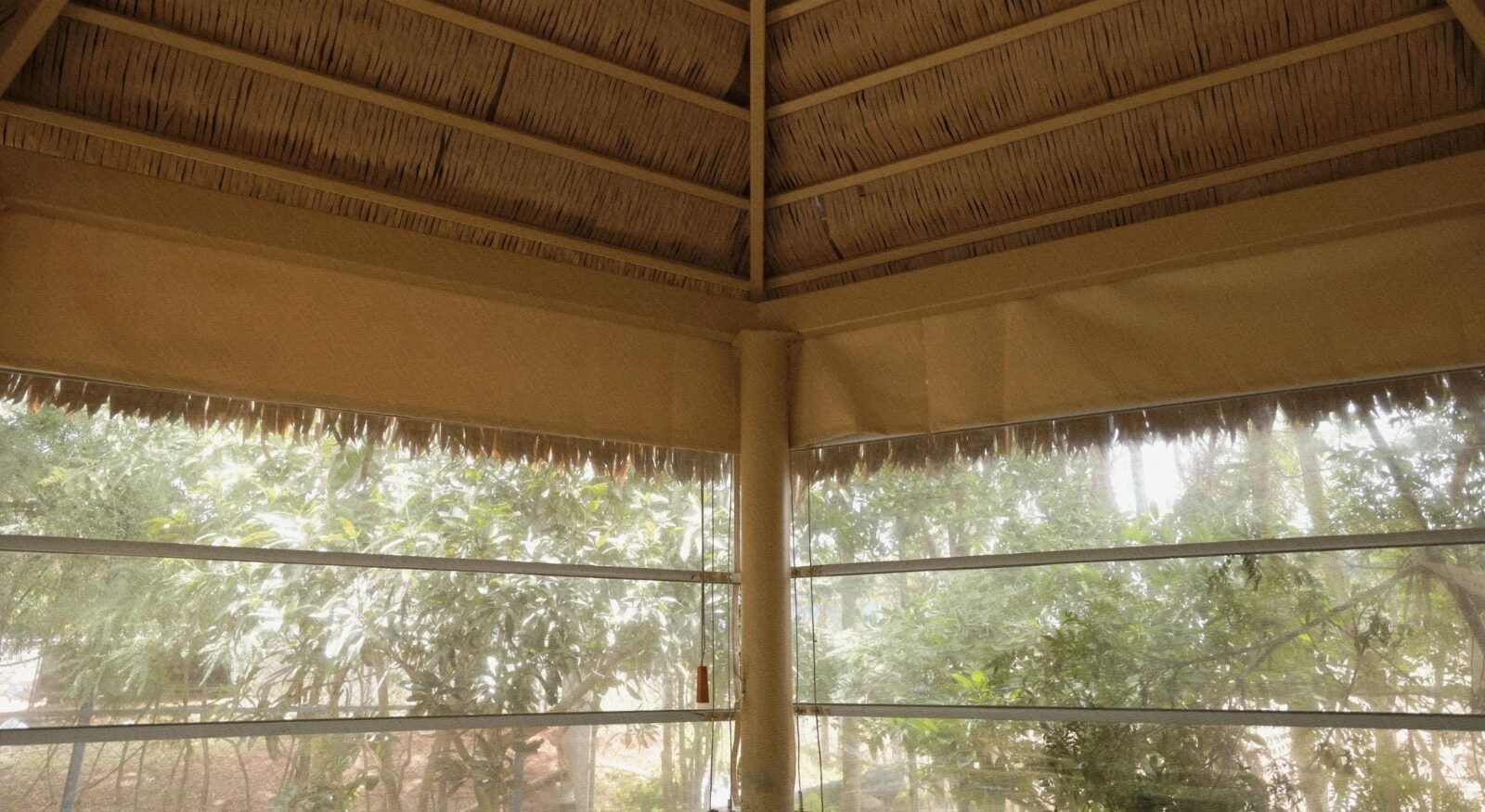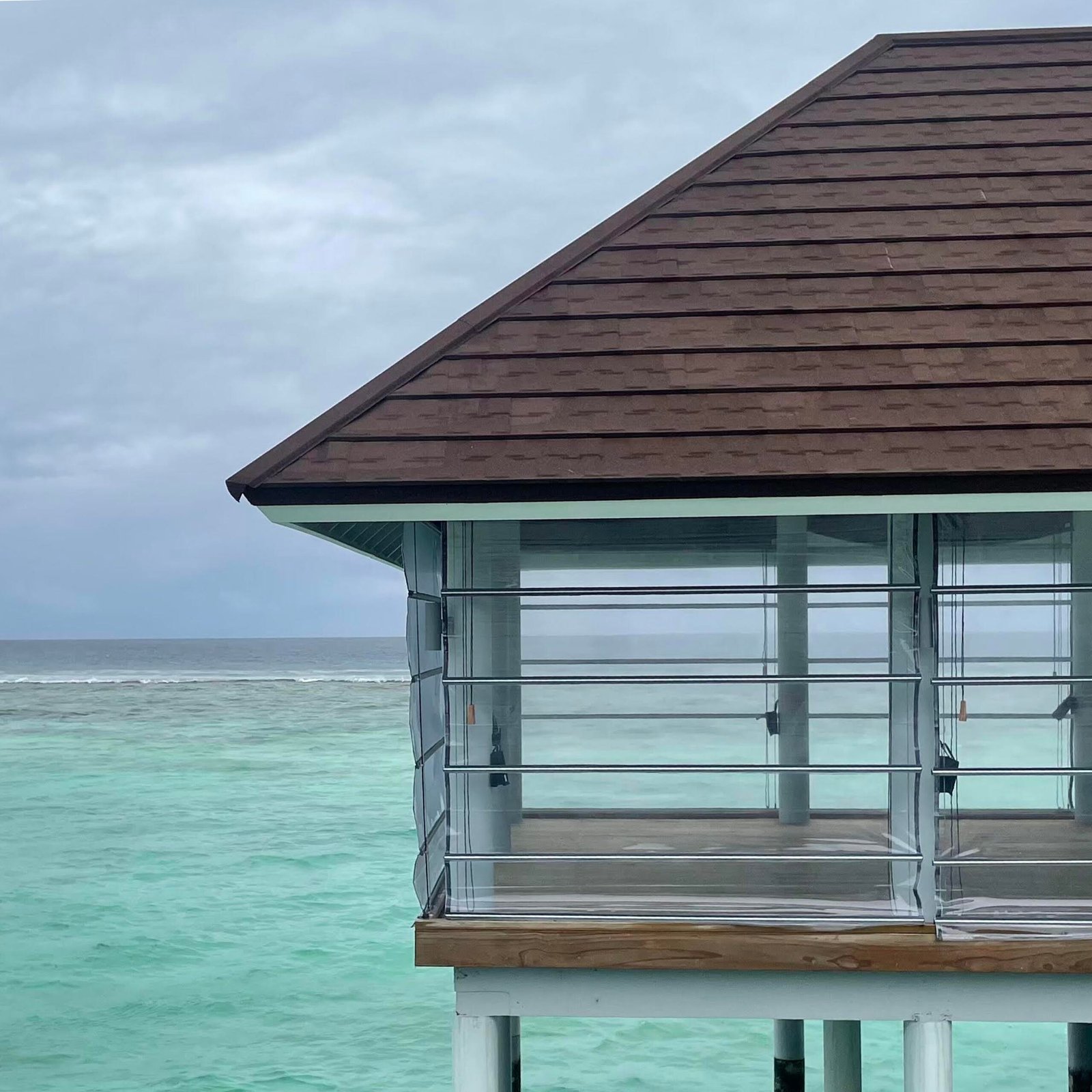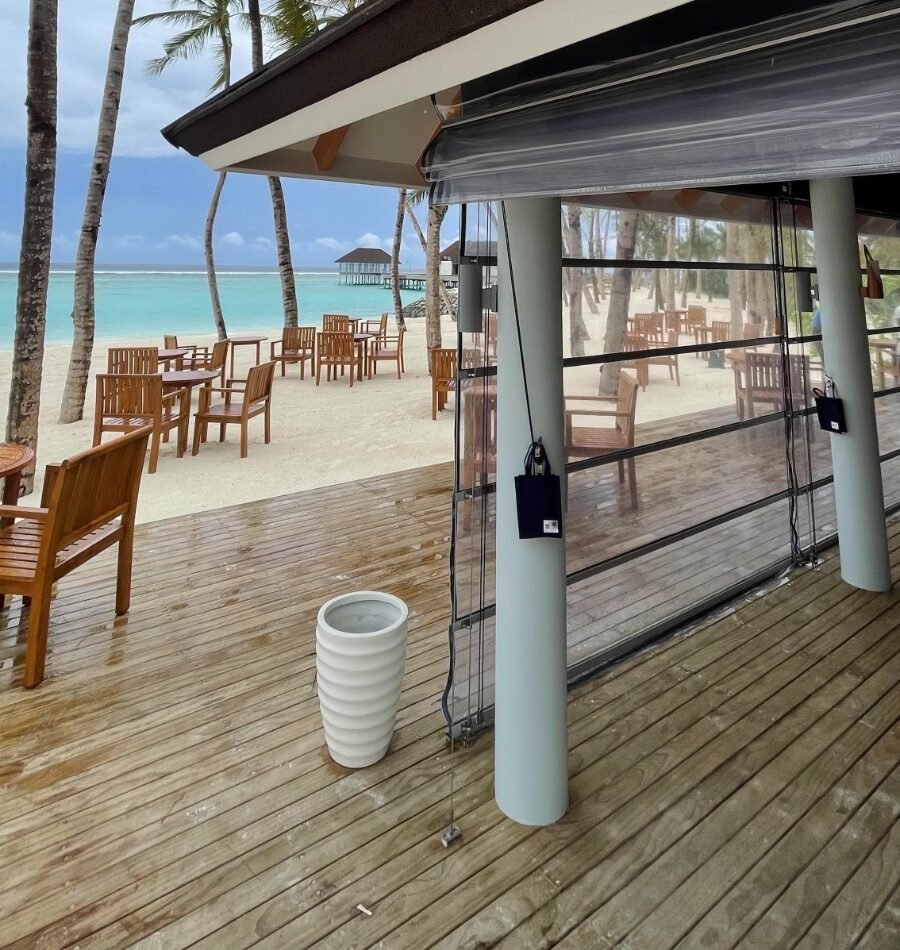


Picture a tropical resort. You likely imagine a beautiful thatch roof. It looks natural and sits perfectly on a beach. But natural straw roofs cause big problems for green builders. They rot fast and catch fire easily.
That is why top architects now choose synthetic thatch roofs for luxury green projects. This smart material helps resorts earn LEED points while protecting nature.
Earning LEED Credits Through Long Lifespans
LEED is the top rating system for green buildings. It measures how a building performs over many decades.
Natural thatch roofs have a very short life. Owners must replace them every five years. That means constant harvesting and high shipping waste.
Synthetic thatch lasts twenty years or more. It does not decay or warp. This long life keeps trash out of landfills. It helps projects score high points for material efficiency.
No Toxic Chemicals in the Soil
Natural grass attracts bugs, mold, and birds. To stop them, workers spray the roofs with harsh chemicals.
When rain hits the resort, these chemicals wash off. They soak into the sand and harm ocean life. This damage destroys the goal of an eco-resort.
Synthetic thatch naturally resists pests and mold. It needs zero chemical sprays. The local land stays clean and safe.
Cutting Energy Waste
Modern synthetic roofs work well with standard building insulation. They reflect hot sun rays instead of absorbing them.
This keeps the rooms underneath cooler during the day. Resorts do not need to run heavy air conditioning. Lower power use reduces the carbon footprint and cuts utility bills.
Architects do not pick thatch just because its cheaper, at first. They choose it because it works better. It gives guests the tropical look they want without hurting the planet.
Frequently Asked Questions
1. Does synthetic thatch look real?
Yes. Makers use molds of real grass to create the pieces. Guests cannot tell the difference from the ground.
2. Is it safe from fires?
Yes. Synthetic thatch has built-in fire protection. It meets strict safety laws for public commercial buildings.
3. Can it survive heavy storms and hurricanes?
Yes strong winds can easily tear grass away. Synthetic thatch panels stay securely in place during storms and do not soak up water like natural grass does.4. Is synthetic thatch expensive?
The upfront cost of thatch is actually higher compared to natural grass. But it lasts four times longer and needs no maintenance. It saves money over time.
5. How does it help with LEED ratings?
It cuts down construction waste because it lasts for decades. It is recyclable and keeps indoor spaces cooler.