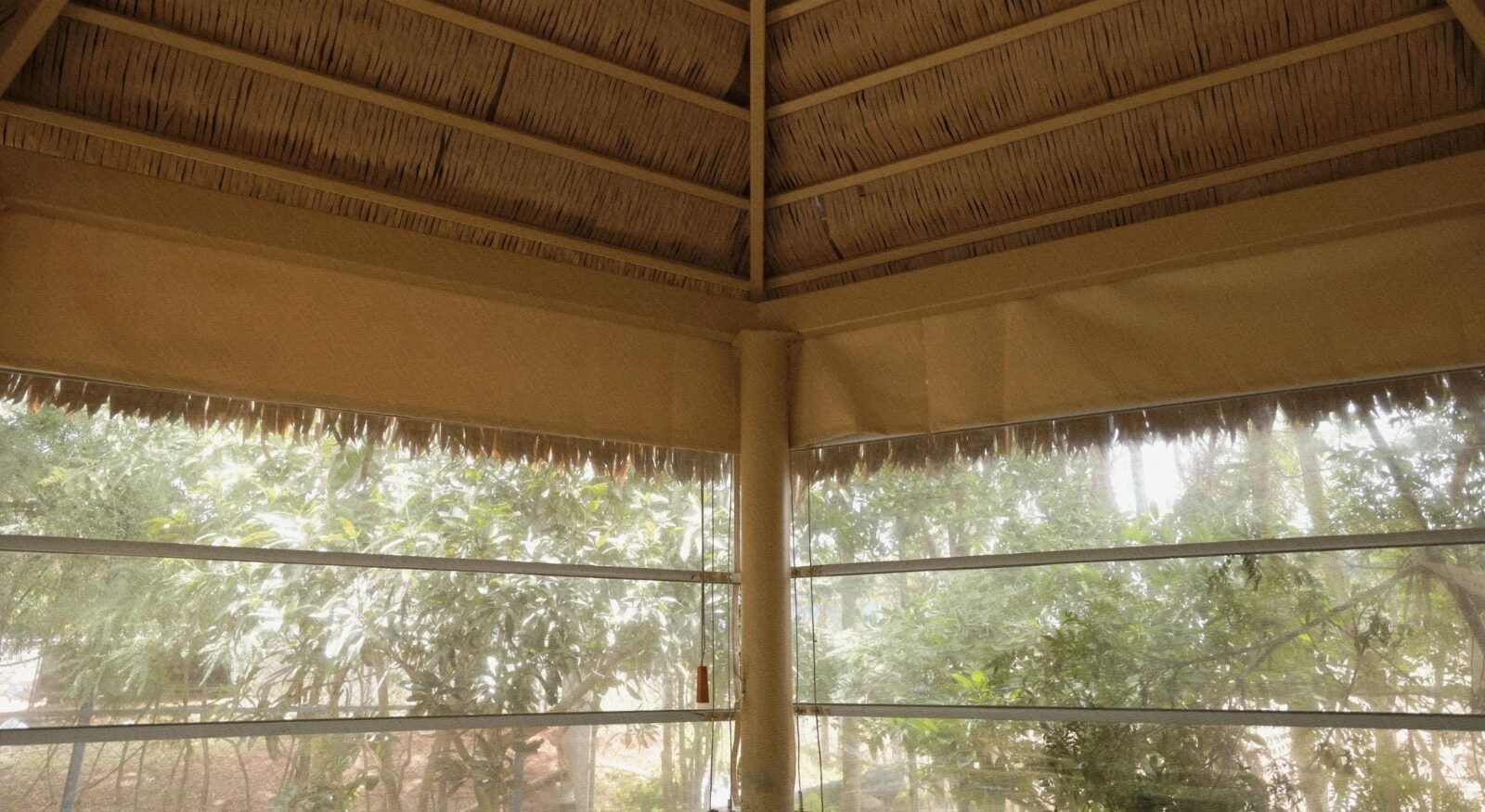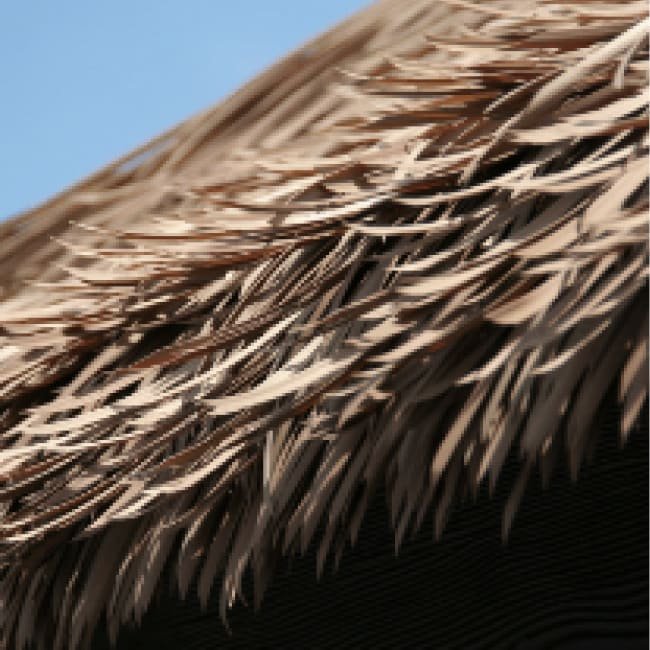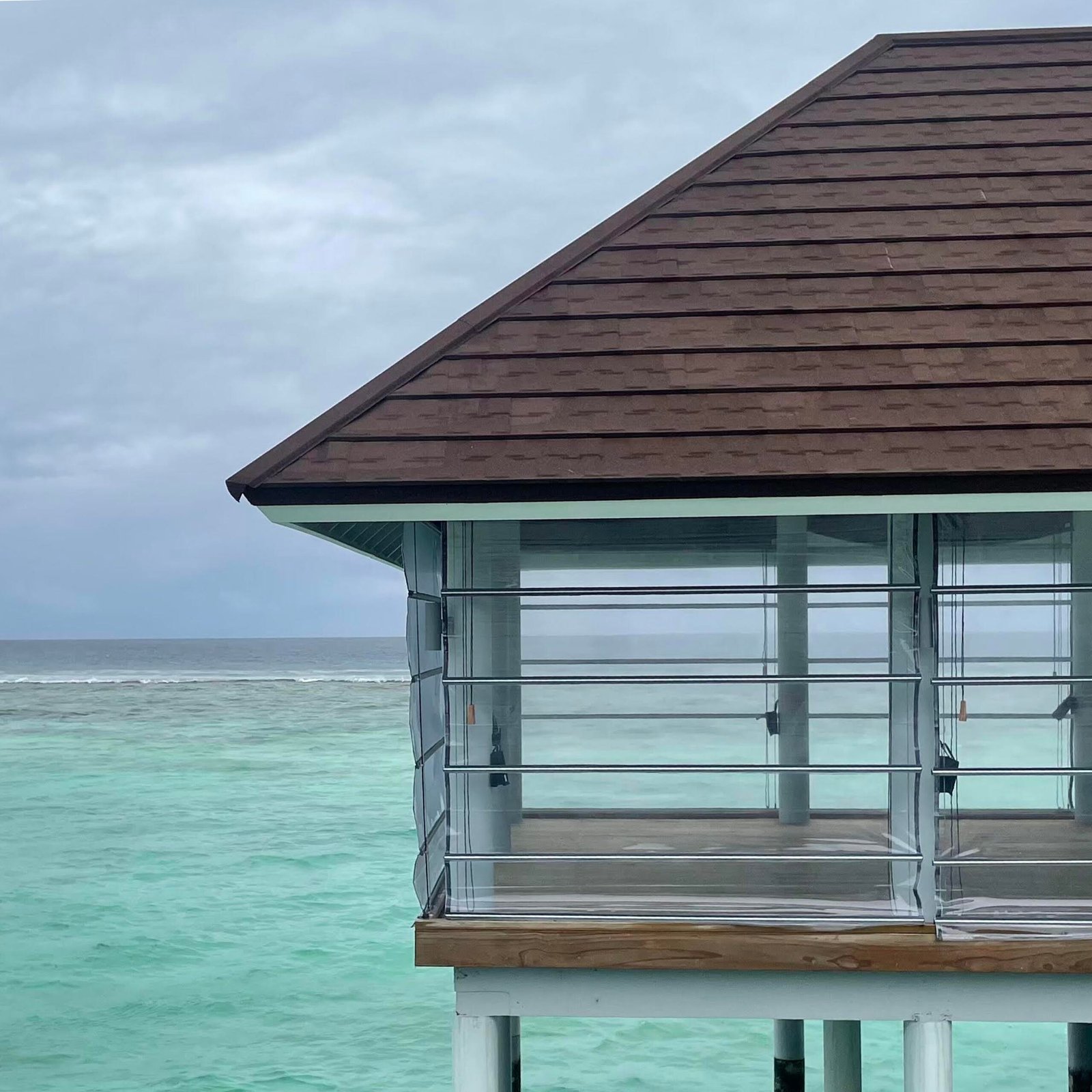


The Maldives is a tropical paradise filled with pristine beaches, clear water, and iconic overwater villa. But behind the fabulous views is an unforgiving tropical environment that puts materials to the test, blazing sun, salty, moist ocean air, high humidity, and seasonal monsoons combine to make this one of the harshest environments in the world for an exterior. Island resorts and beachfront properties have extremely beautiful touches to them, not only must to look authentic and appealing but also must be able to withstand these extreme conditions without ongoing costly maintenance costs. This is why synthetic thatch roofing has emerged as the ultimate solution for tropical architecture in the Maldives, outperforming traditional natural thatch by leaps and bounds.
The Maldives Climate Challenges
The Maldives has harsh tropical sun all year round which means roofs are going to be exposed to high levels of UV radiation which can eventually wear our natural fibers. The constant access to salty air speeds up the rate of corrosion and disintegration, not to mention the high humidity that encourages mold, mildew, and fungal growth. As a final one, seasonal monsoons pound the roof with driving rain and high winds that challenge even the toughest of roof materials.
In our country, natural thatch (constructed of palm leaves, reeds, or grasses) has been used for centuries because of its authentic appearance and cooling abilities. But it’s got some serious downsides for this application, it tends to deteriorate rapidly under the influence of UV light, is easily susceptible to moisture-related growth and rod while in a moist climate, and requires updating or replacement to maintain its attractive look and finish.
Why Synthetic Thatch is Built for the Tropics?
Synthetic thatch is actually engineered to combat these problems and easily performs better in the islands of Maldives for example.
UV Proof: Unlike natural thatch, synthetic thatch is produced with UV absorbers which prevent degradation, discoloration, color fade, etc. That means your roof will always look as bright and strong as the day it was installed.
Mold and Mildew free: Artificial (fabric) palm leaves are not organic, so they won’t support the growth of mold, fungus or mildew as it happens with many other live artificial palm leaves found in tropical places. This is a great way to save money and protect your health from mold.
Withstands Salt Air Corrosion: Constructed with top-quality materials and high-grade polymers, synthetic thatch resists salt spray and harsh ocean air much better than natural palm fiber which will become brittle, break, and corrode.
Designed to Withstand the Elements: Synthetic thatch roofing is engineered to be resistant to drenching rain and high winds of monsoon season to protect both guests and staff at the resort.
Environmentally Friendly and Sustainable: With synthetic thatch, you can save resources by lessening the necessity of natural thatch material and help protect biodiversity and local ecosystems.
Voices from the Maldives: Architects and Resort Managers
Leading architects and resort managers in the Maldives have embraced synthetic thatch for its blend of aesthetic authenticity and unmatched resilience.
The Matts Corner Advantage
At Matts Corner (mattscorner.net), we specialize in providing high-quality synthetic thatch solutions tailored to the Maldives unique climate. Our products combine advanced polymer technology with expert craftsmanship to ensure roofing that is not only visually stunning but engineered to withstand the harshest tropical conditions.
Whether you’re developing a boutique resort, refurbishing beachfront villas, or enhancing overwater villa, synthetic thatch from Matts Corner offers a long-term, cost-effective roofing solution that preserves the Maldives idyllic charm while standing strong against nature’s toughest tests.