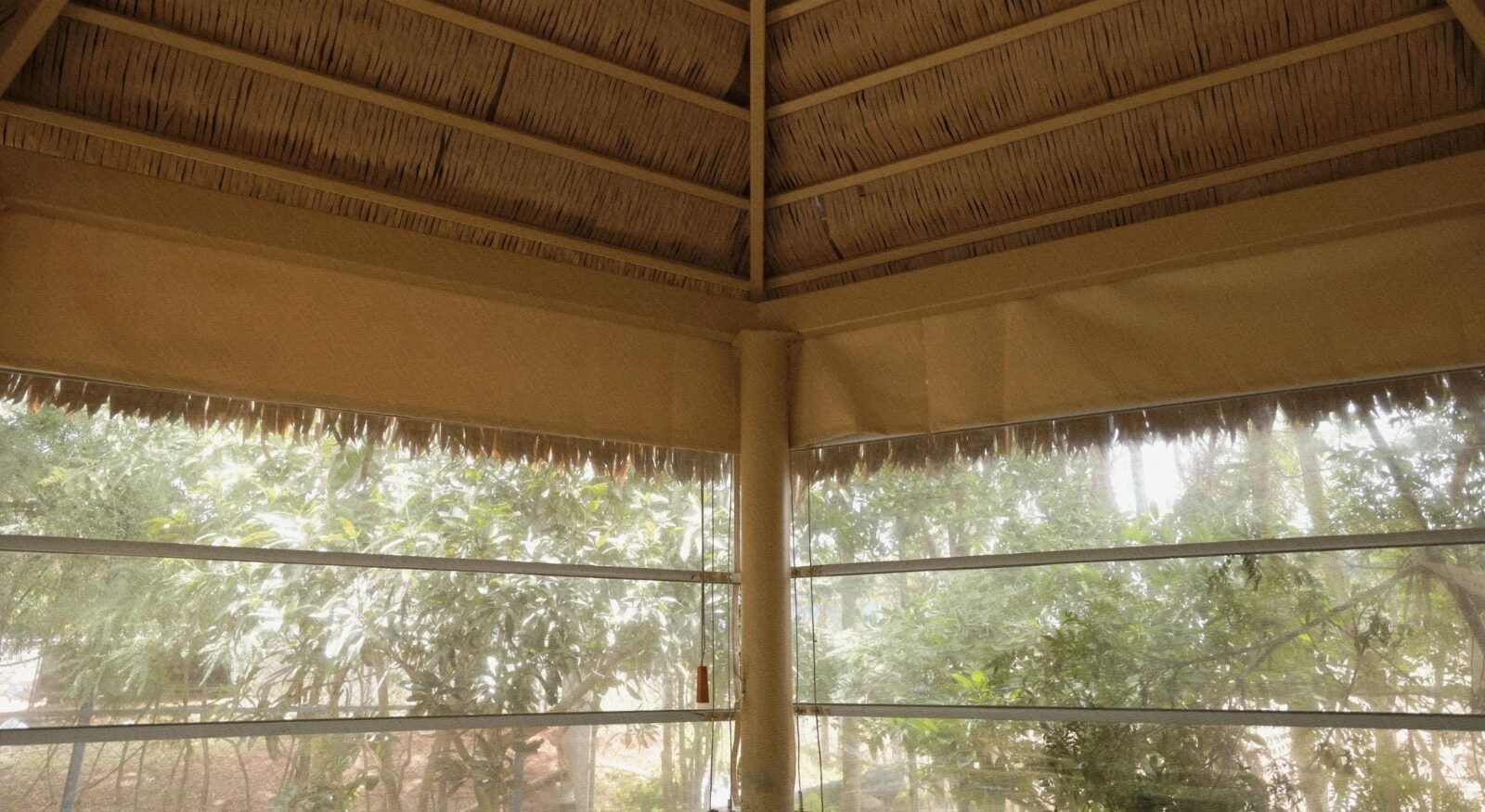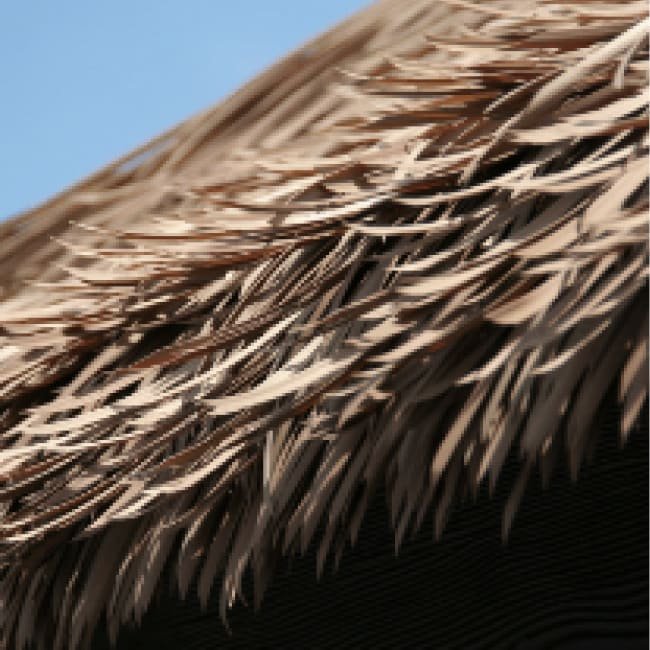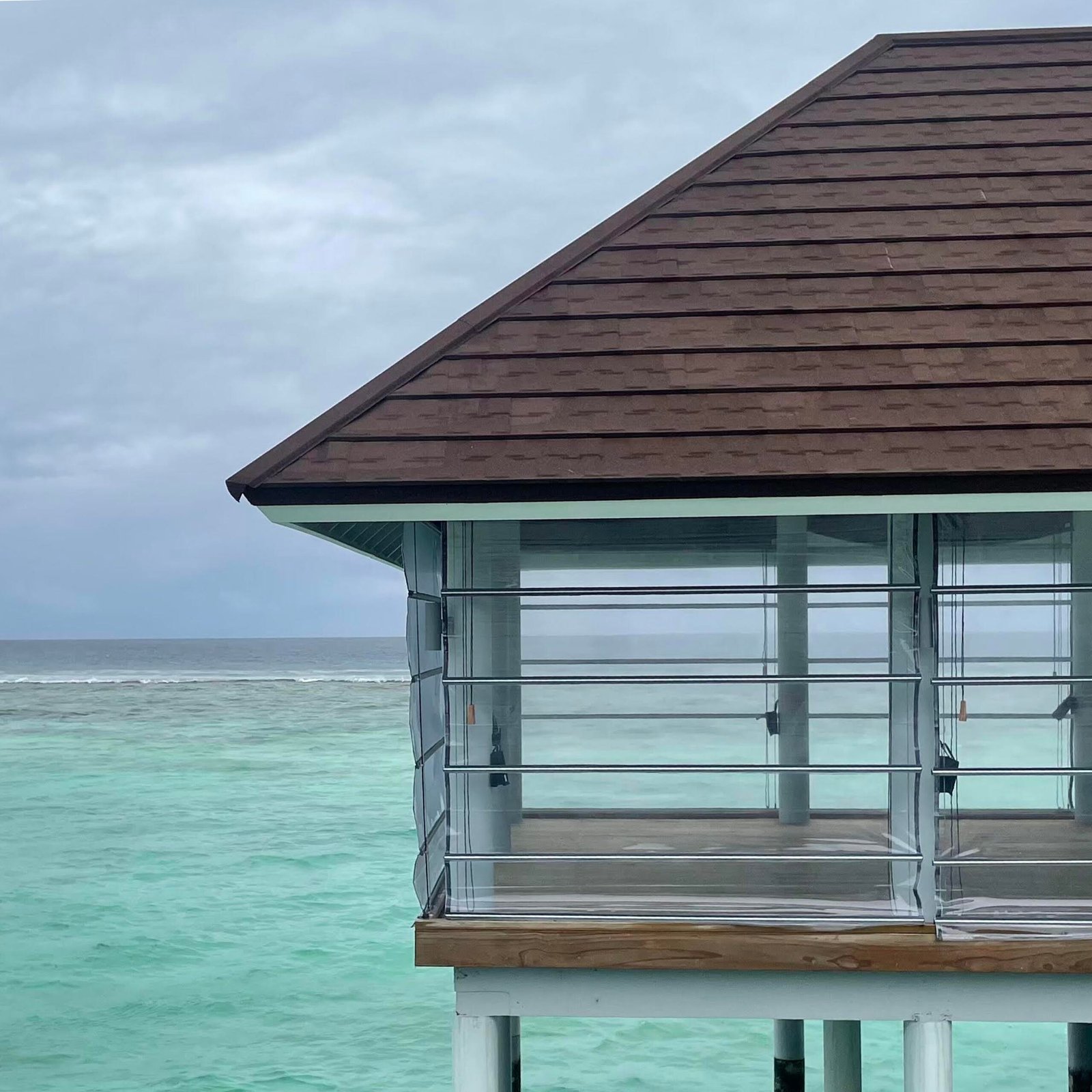


Thatch roofs are a defining feature of tropical resorts, beachfront villas, and coastal homes. While synthetic thatch offers the authentic appearance of natural palm roofing, its performance in cyclone-prone regions depends on the strength of the supporting structure beneath it.
A high-quality roofing material, such as Matts Corner Synthetic Thatch, should always be installed on a roof that has been properly designed by qualified architects and structural engineers to meet local wind-load requirements.
Structural Design Matters
Cyclonic winds create powerful uplift forces that place significant stress on any roof. Engineers carefully design the roof frame and its connections to ensure it can safely withstand these forces.
Some key recommendations include:
- Strong timber or steel roof framing designed for local wind conditions.
- Heavy-duty roof-to-wall connections using cyclone ties and steel brackets.
- Secure fastening methods that keep the roof assembly firmly anchored.
- Installation that complies with local building codes and engineering standards.
A properly engineered structure is essential for the long-term performance of any thatch roof.
The Importance of Roof Pitch
Roof pitch also influences how a roof performs during storms.
Engineers commonly recommend a roof slope between 30° and 45° for tropical coastal buildings. This angle helps rainwater drain efficiently while balancing wind performance. The ideal roof pitch should always be determined by the project’s structural engineer based on local site conditions.
Why Synthetic Thatch Is a Better Choice for Coastal Projects
Once the roof structure has been properly designed, choosing the right roofing material becomes equally important.
Matts Corner Synthetic Thatch offers several advantages over natural thatch in coastal environments:
- Resistant to salt, humidity, and UV exposure.
- Does not absorb water, helping maintain a consistent roof weight.
- Requires significantly less maintenance than natural palm thatch.
- Provides the authentic tropical appearance that luxury resorts and beachfront developments demand.
- Delivers long-lasting performance in harsh marine climates.
Conclusion
A cyclone-resistant thatch roof begins with good structural engineering, but selecting the right roofing material is equally important. When installed on a properly engineered roof, Matts Corner Synthetic Thatch offers the timeless beauty of natural thatch with the durability needed for demanding coastal environments.
Frequently Asked Questions
Can synthetic thatch be used in cyclone-prone regions?
Yes. When installed on a roof designed by qualified structural engineers, Matts Corner Synthetic Thatch performs well in tropical and coastal environments.
What roof pitch is recommended for thatch roofs?
Many engineers recommend a roof slope between 30° and 45°, depending on the project’s location and structural requirements.
Why are cyclone ties important?
Cyclone ties help strengthen the connection between the roof frame and the building, improving resistance to wind uplift during severe storms.
Does synthetic thatch become heavier when it rains?
No. Unlike natural palm thatch, Matts Corner Synthetic Thatch does not absorb water, allowing it to maintain a consistent weight in wet conditions.